


In the wide world of technology, we find ourselves surrounded by professionals who respond to the growing demand for modern tools that have become essential for our daily lives.
Among all these professions, none escapes the challenge that goes beyond programming, the famous imposter syndrome. Silent, underappreciated, appearing between lines of code, in team meetings, and even in the silence of your thoughts, this phenomenon manifests itself without warning or permission.
3 easy steps to manage imposter syndrome as a software developer

First, understand where it comes from
Although you may already have a broad idea of what imposter syndrome is, you will find a lot of answers as to where to start your recovery journey from understanding what it is from a psychological standpoint and also how it works.
According to Harvard Magazine, imposter syndrome is the result of that uncomfortable feeling of not feeling like we are what we know we are because we are trying to appear like what we think we should be.
In other words, imposter syndrome is a feeling of discrepancy between one’s internal perception and the external image that is projected. Although it is popularly known as a syndrome, in reality, experts prefer to use the term “phenomenon” since it is not a psychological disorder as such.
It’s more common than you imagine, however not all of us are familiar with the definition, and in a more perfectionist state, we often do not admit that we could be going through that situation. Since the term was formally described in 1978, it has been proven that the majority of people, when explained, identify with it.
According to a study published in the International Journal of Behavioral Science, around 70% of people admit to feeling a fear that their work “imposter” will be discovered due to a lack of internal security regarding their own merits.
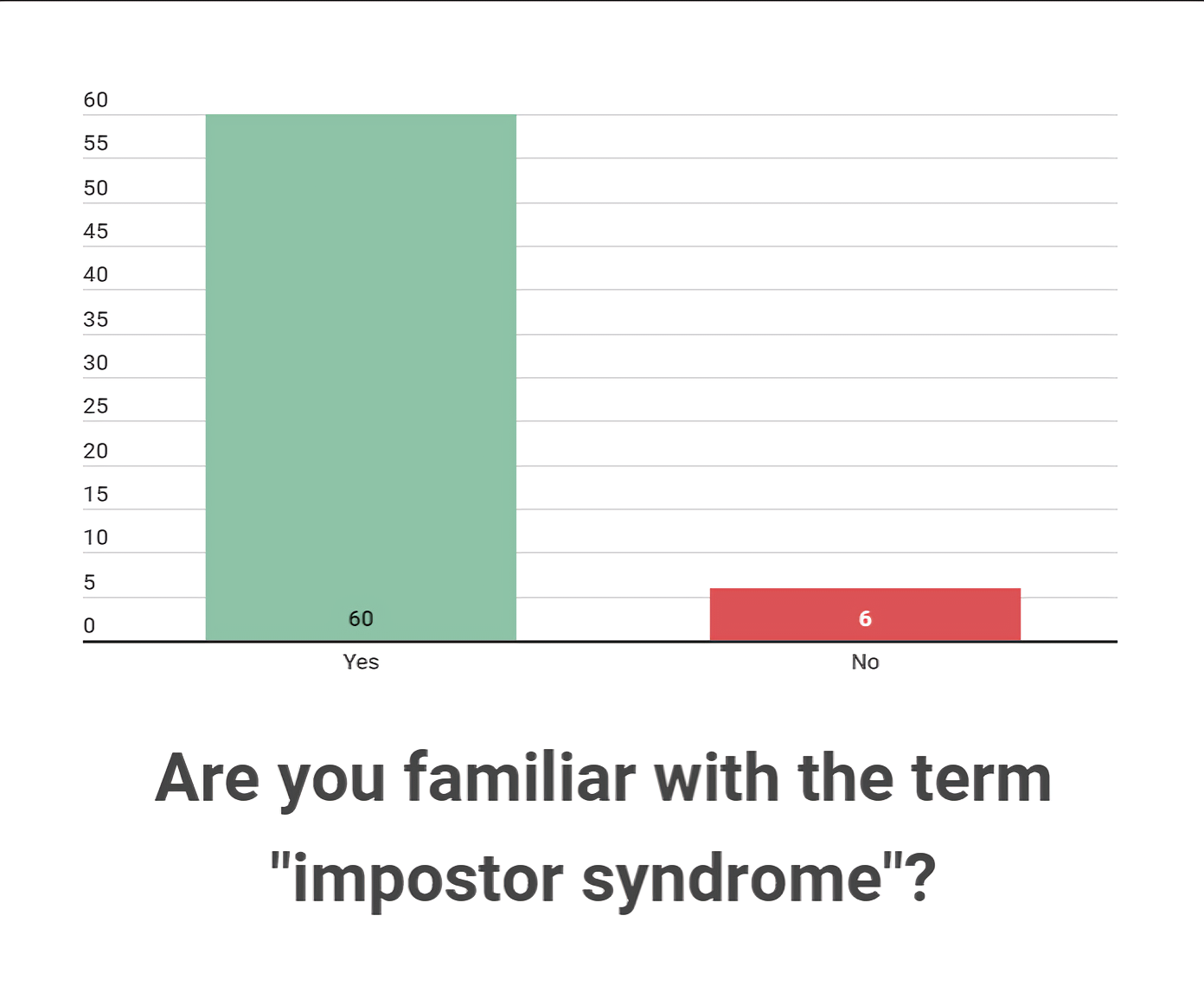
As an example, in our environment, we carried out a short anonymous survey (thanks to the participants) to ask all BEONers if they were aware of what “Imposter Syndrome” is and this was the result:
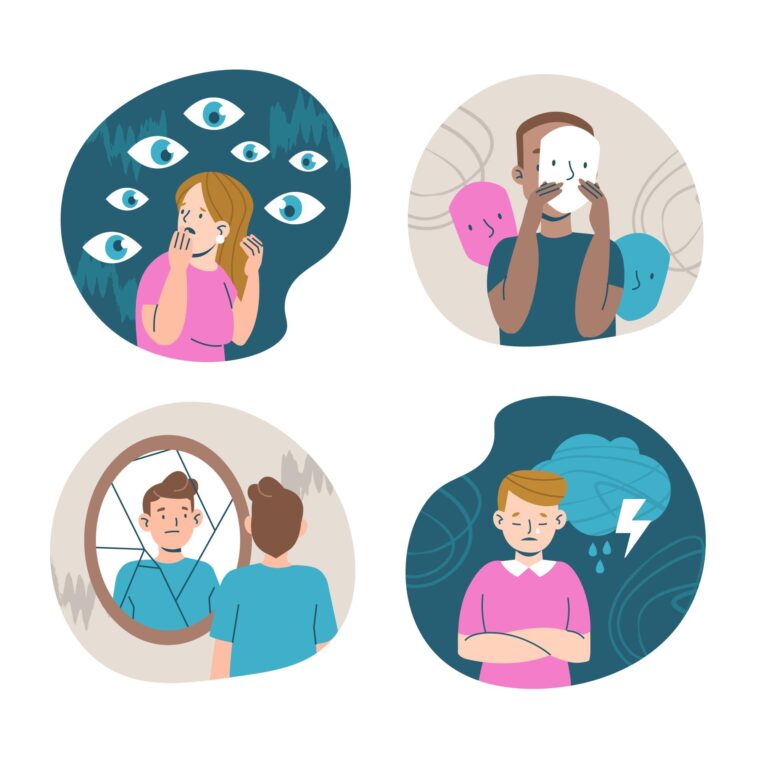
Although it has been studied for years and some suggest that there may be benefits to this phenomenon, its implications tend to be mostly negative, although beyond its nuances, we can turn this challenge into an opportunity for significant personal and professional growth, but only if we recognize the symptoms first.
Second, recognize the symptoms (imposter syndrome test for software developers)
Pop quiz, let’s do a little evaluation to find out:
If any of these answers were yes, there is a good chance that you are in the bubble of imposter syndrome. In my case, I have gone through these points at different stages of my life, the but question number 3 of the assessment above was quite an experience last year and led me to write my first post, which I invite you to take a look at.
Third, take measures (action plan to overcome imposter syndrome below!)
As you can see, the common signs of this “syndrome” in people are generally negative: negative self-evaluation, fear of failure, avoiding challenges, and being a perfectionist, among others.
Therefore, I want to share a few strategies that would work as an antidote to these manifestations. Rowing against the current is not easy, but without a doubt, a good approach to begin, as in other circumstances in life, would be to admit the problem and start working on a solution.
Action Plan

- Recognize your achievements: Start a record of your successes, whether physical in a notebook or digital, that you can review regularly. The more visual this record is, the harder it will be to forget how far you’ve come.
- Shift your mindset from perfectionism to progress: Perfection is an unattainable goal. We all make mistakes; It is our essence as humans, and it is important to keep it in mind.
- If other people’s expectations concern you, ask yourself: “Is this task expected to be delivered flawlessly? Have I made mistakes in the past? If so, has that permanently changed how others perceive my work?”
- If your concern is not meeting your own expectations or high standards, ask yourself: “How can letting myself make mistakes and learn from them lead me to be even greater than my prior ideals?”
- Practice honest communication: You are not alone. Do you feel worry or fear in the situation you are experiencing? Talk to trusted colleagues, share your concerns and along the way, you will realize that you are not the only one who has experienced the same thing.
- Learn to say no: Work overload often fuels imposter syndrome. Learn to set limits and say no when necessary to preserve your well-being and quality of work.
- Invest in your development: Continue learning and improving your skills without fear of success. Continuous training strengthens confidence and prepares you for new challenges.
Key takeaways
- In the vast and ever-changing world of technology, imposter syndrome may lurk among us, but it’s nothing more than a passing shadow.
- Recognizing, addressing it, and applying strategies to overcome it is crucial for our mental health.
- Instead of letting ourselves fall into self-doubt, let’s embrace our abilities, learn from our mistakes, and together build an environment where everyone feels valued and safe in their journey.